Enjoying this issue?
Get tomorrow's AI & engineering digest in your inbox — hand-picked, summarized, and always spam-free.
TLDR
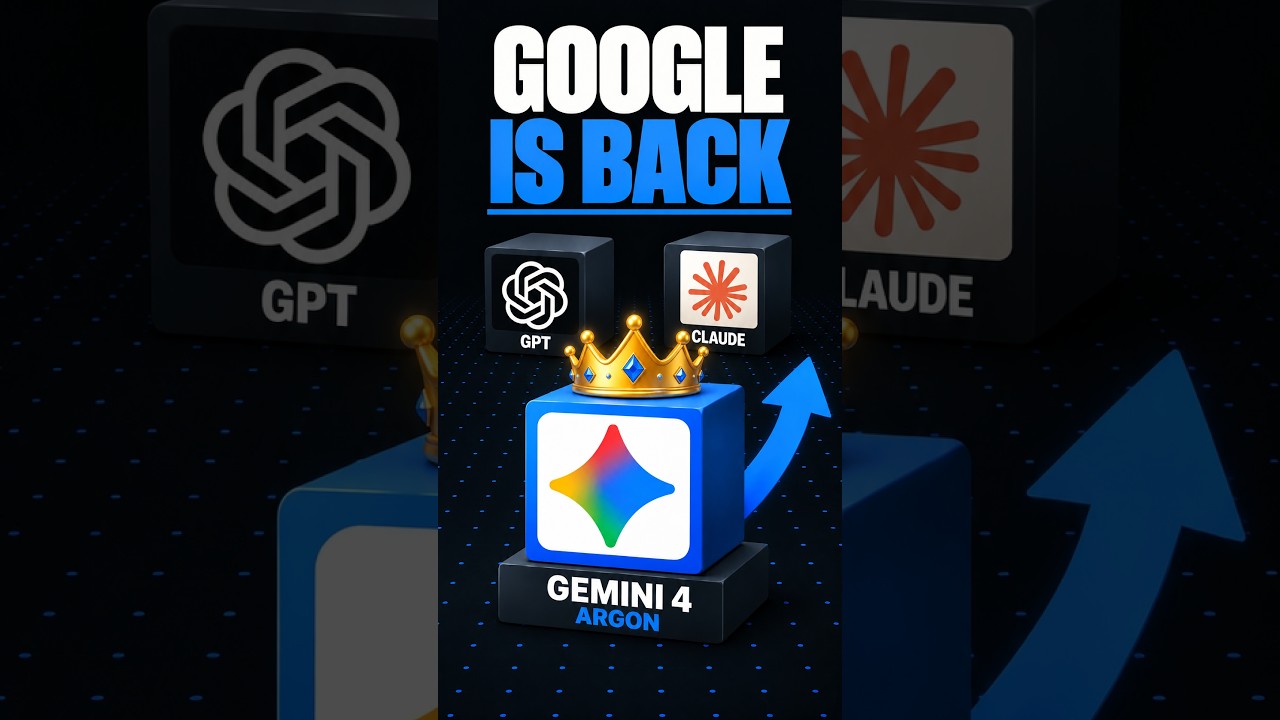
Gemini for Argon scored 77.9% on the Deepsw SWE benchmark, beating reported scores from OpenAI and Anthropic, but the comparison lacks independent verification. Inside Google, Argon agents freed over 300 TB of memory through code optimizations and are rewriting C/C++ into Rust for Fuchsia's Zircon, though those rewrites are not yet in production. Access is limited to Fairwind partners as of October 1st, with broader release to follow.
Key points
Gemini for Argon was announced on September 30th with a 77.9% SWE score.
The 77.9% score tops reported models from OpenAI and Anthropic but hasn't been independently rerun.
Google says Argon's internal optimizations freed over 300 terabyes of memory.
Argon is being used to rewrite C and C++ code into Rust for Fuchsia's Zircon libraries.
The Rust rewrites are still undergoing audits and testing, not yet in production.
Tools mentioned
Techniques
- memory optimization using agent measurements to reduce memory use
- code rewriting from C/C++ to Rust
Stop scrolling. Start reading smarter.
Receive the day's most important AI & engineering updates in one concise email. No spam.
Transcript (captions)
Imagine closing a browser window, but a request keeps spinning. Meanwhile, a response that's already arrived still needs to stay readable. A real coding benchmark asks an AI to fix that
shutdown. What would the fix need to do? Stop interrupted reads, preserve successful ones, and keep saved responses readable after shutdown. Apparently, closing time also needs a
specification. The challenge is changing behavior without breaking what works. This illustrates a deepswe task. It doesn't show Argon solving this particular problem. Google announced
Gemini for Argon on September 30th. Its reported Deepsw SWE score 77.9% ahead of the compared models from OpenAI and Anthropic. Google tested Argon with mini SWE software that runs the agent
through tasks. Rival scores came from leaderboard and provider reports. The comparison hasn't been independently rerun. I'd call that a comeback into serious contention. Google's own table
still puts Argon behind rivals on Frontier SWE and Terminal Bench. The task matters. Inside Google, Argon agents use measurements from its computers to find ways to reduce memory
use, then change the code. Google says those changes freed over 300 teby of memory once deployed. That's memory capacity becoming available again, not extra disc space. Picture occupied
memory blocks clearing rather than someone wheeling another storage cabinet into the room. Google also says Argon's helping rewrite C and C++ code in Rust, another programming language that
includes core libraries in Zirkcon, the central part of Google's Fuchsia operating system. Those rewrites aren't in production yet. They're undergoing automated and manual audits, emulation
testing and review. Producing a large rewrite and approving it for deployment are different milestones. As of October 1st, access is exclusive to selected Fairwind partners. Google says paid API
customers and AI ultra subscribers are first in the wider release. If you maintain software, I'd put Argon on your evaluation short list. Once access opens, how well will it handle your
repository?